Oct. 17, 2026
Homeostetic Group
The undisciplined side of Portuguese art
Some artistic movements are born out of a manifesto. Others begin with a shared desire to challenge what already exists. Homeostética clearly belongs to the latter category.
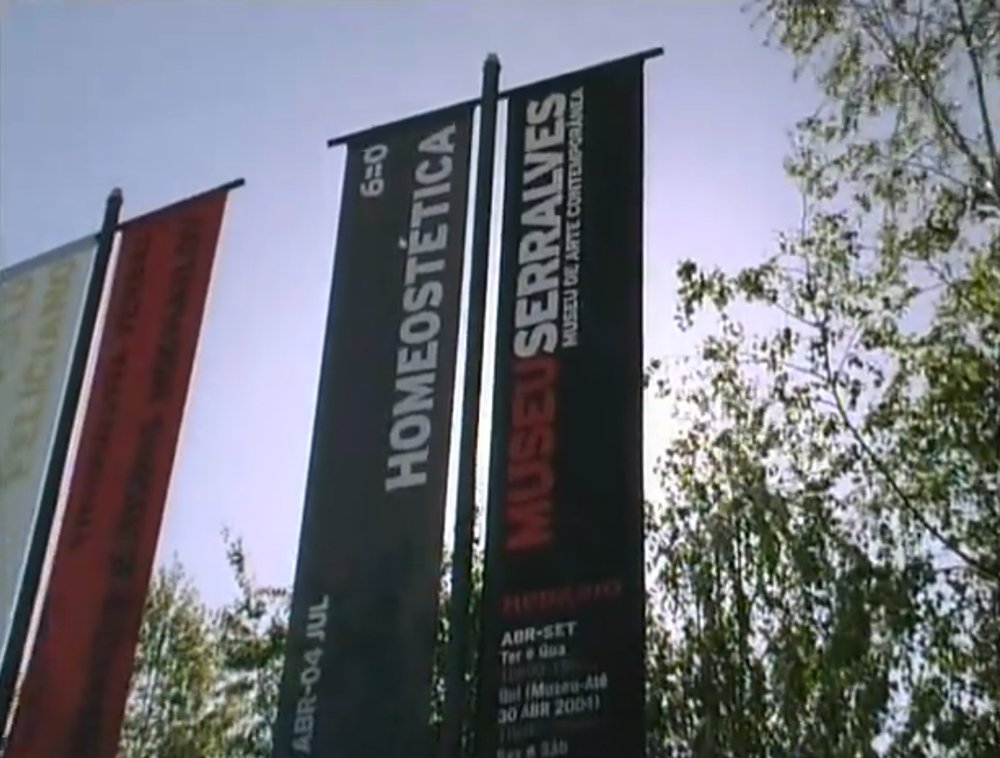
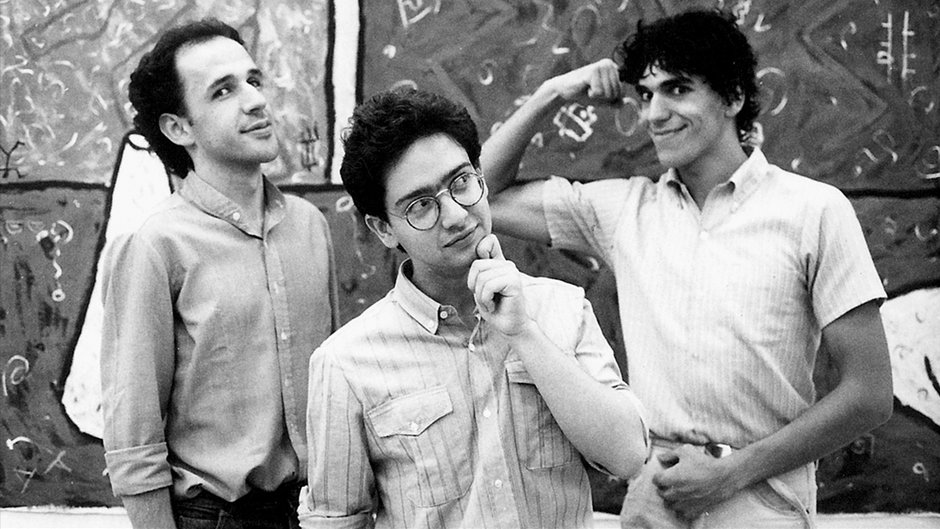
Emerging in Lisbon in the early 1980s, the Homeostética Movement initially brought together Manuel João Vieira, Pedro Portugal, Ivo, Pedro Proença and Xana (Alexandre Barata), then students at the Lisbon School of Fine Arts. Moving between painting, drawing, music, performance, literature and a healthy dose of provocation, the group developed its own distinctive universe, characterised by humour, irreverence and a deliberate rejection of conventions.
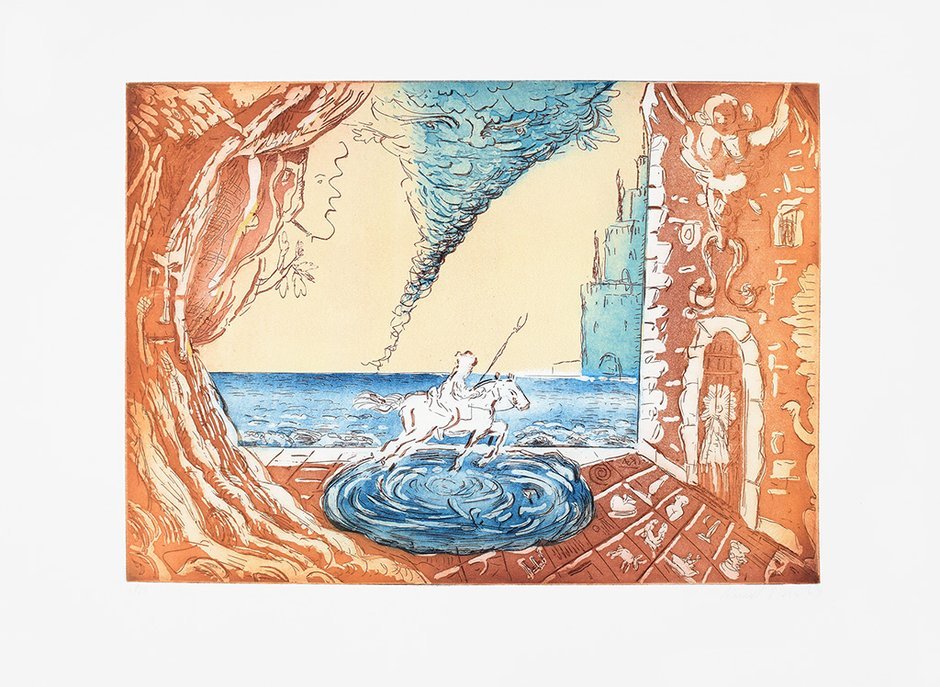
Their public debut took place in 1983 with the 1st Homeostética Exhibition. And it could hardly have been more programmatic: there was a manifesto, an anthem, a soundtrack, including a concert for dishwasher and tambourine, and even a magazine/fanzine, “Filhos de Átila” (“Sons of Attila”), of which two issues were published during the exhibition itself. One of the most distinctive episodes in Portuguese art of recent decades had begun.
The term Homeostética was coined in 1982 by Pedro Portugal, following his reading of the first volume of Edgar Morin’s Method. Three years later, in 1985, Fernando Brito joined the movement, which then adopted the well-known collective formula 6=0 — six individuals who, together, formed a null whole or, in another image, a cube-shaped universe.

|

|

|
|
Pedro Portugal "Bananoji" / "Dalimoji" / "Lichtensteinmoji" Screen printing |
Humour, sarcasm and nonsense were essential elements of this universe. More than mere expressive devices, they also served to challenge and question the art market system. Between provocation, playfulness and a deliberately marginal attitude, Homeostética drew on Dadaist influences while continuing to forge its own distinctive language.
|
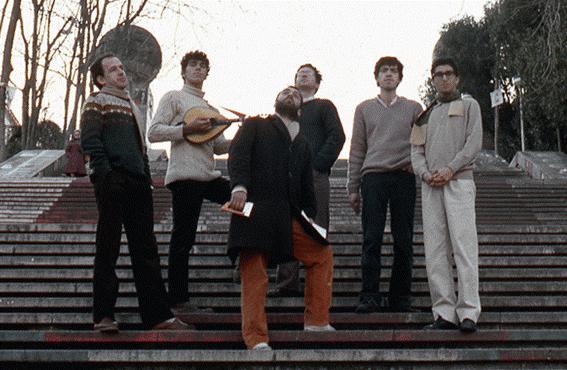
Xana, Manuel João Vieira, Fernando Brito, Pedro Proença, Ivo and Pedro Portugal
© Arco Films |
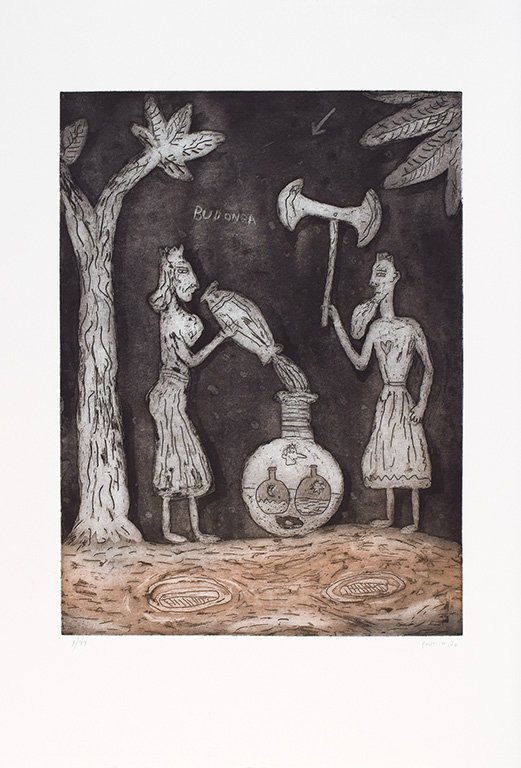
The "Continentes" (Continents) exhibition, held in 1986, marked both the culmination of Homeostética and the beginning of an indefinite process of dissolution, which would eventually continue under various names. The exhibition attracted a large audience, helped in part by a live concert by Ena Pá 2000, the iconic band led by Manuel João Vieira.
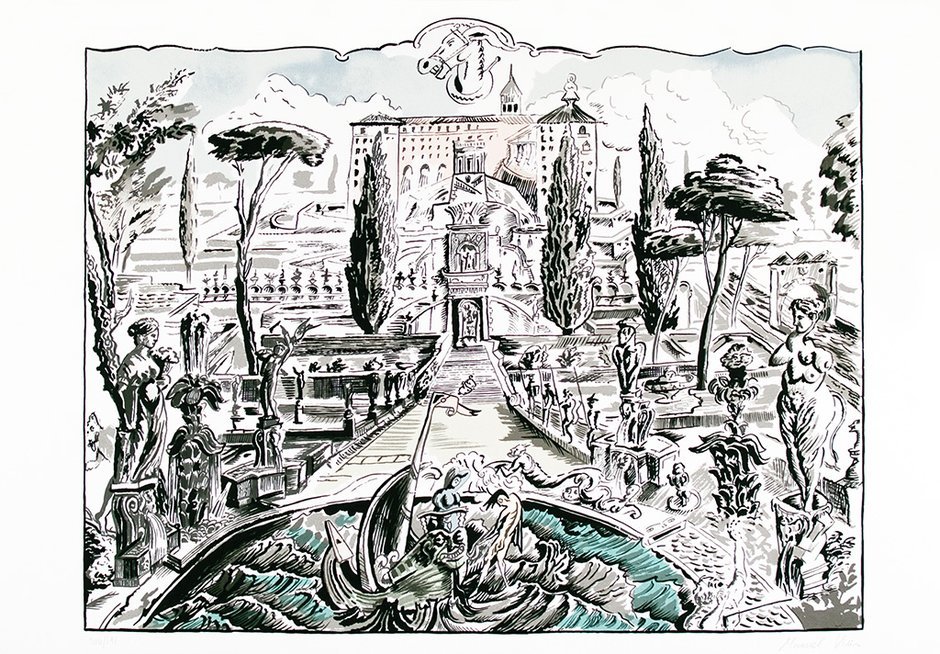
In 2001, Manuel João Vieira’s candidacy for the Presidency of the Portuguese Republic once again mobilised many of the Homeostéticos. The initiative managed to gather almost all the signatures required for the candidacy and brought the Homeostética approach into politics: a presidential campaign that was simultaneously a performance, an act of provocation and a critique of conventional forms of political discourse.
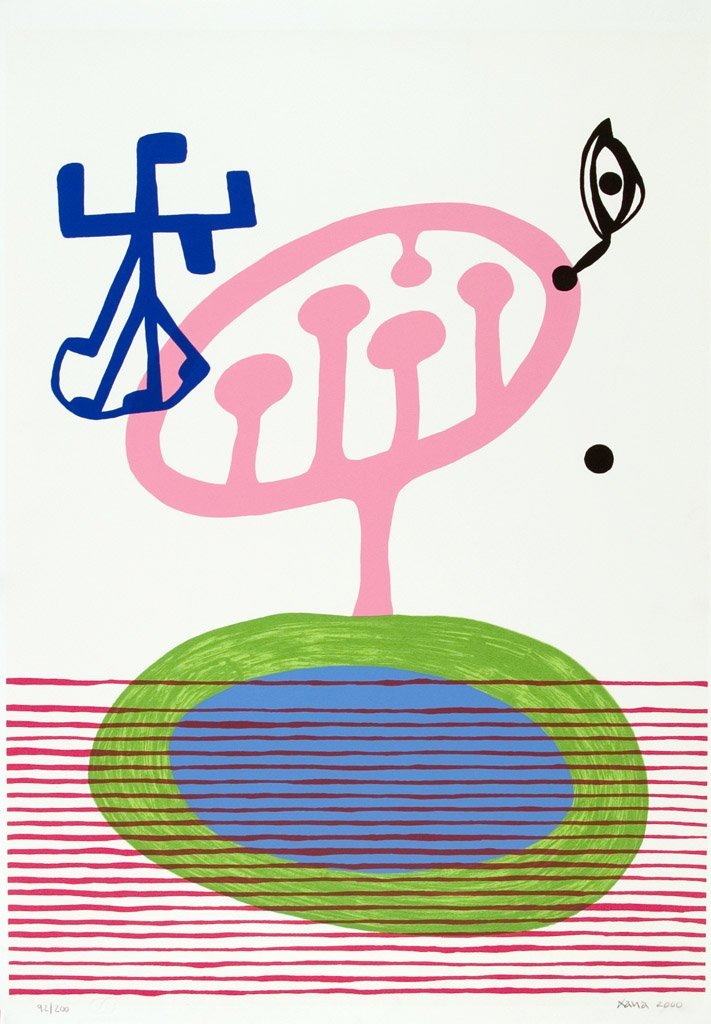
Between 1982 and 1986, Homeostética’s output developed at an intense pace, giving rise to numerous exhibitions, texts, manifestos, photographs, films, Ena Pá 2000 concerts and a succession of collective performances. The work was as varied as it was difficult to fit into a single category, and perhaps that was precisely the point.
The movement left a lasting mark on the artistic culture of the decade.
Homeostética dissolved as a group, but not in spirit, continuing to manifest itself in different forms and through various influences to this day.