Aug. 13, 2026
Art as the language of Humanity
From the need to communicate to the ability to transform the world
Art may not be a consequence of cognitive evolution, but rather one of the factors that drove human evolution itself. This is a view shared by several modern approaches in anthropology, cognitive archaeology, and neurobiology.
Artistic creation requires complex cognitive abilities, such as imagination, abstraction, memory, planning, and symbolic thinking. By developing the ability to generate symbols, represent the world, tell stories, and create music, human beings would have developed forms of communication and ways of relating to the world and to others that were essential for cooperation, group protection, and cultural transmission.
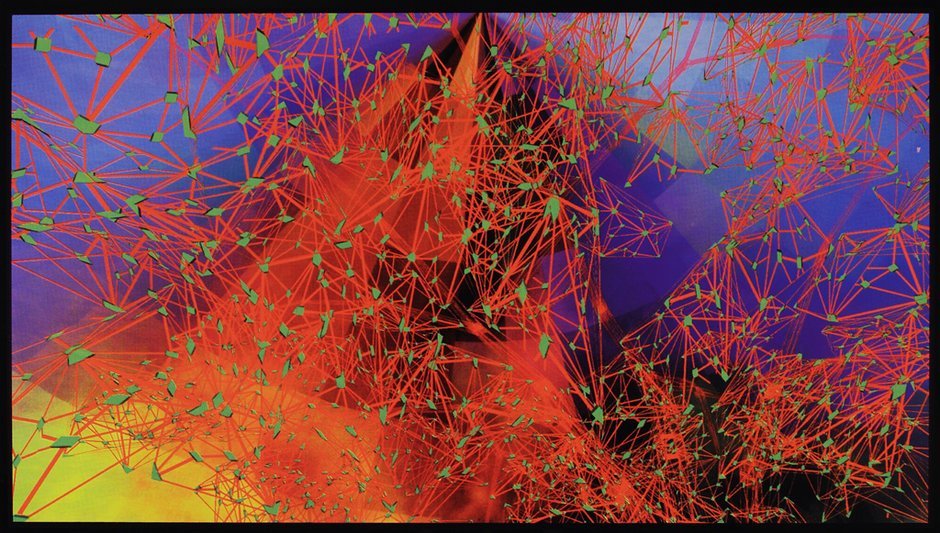
Miguel Chevalier, Untitled, Screen printing on acrylic panel
This hypothesis of coevolution between human abilities and culture assumes that biological evolution and the development of civilization have mutually influenced one another throughout history.
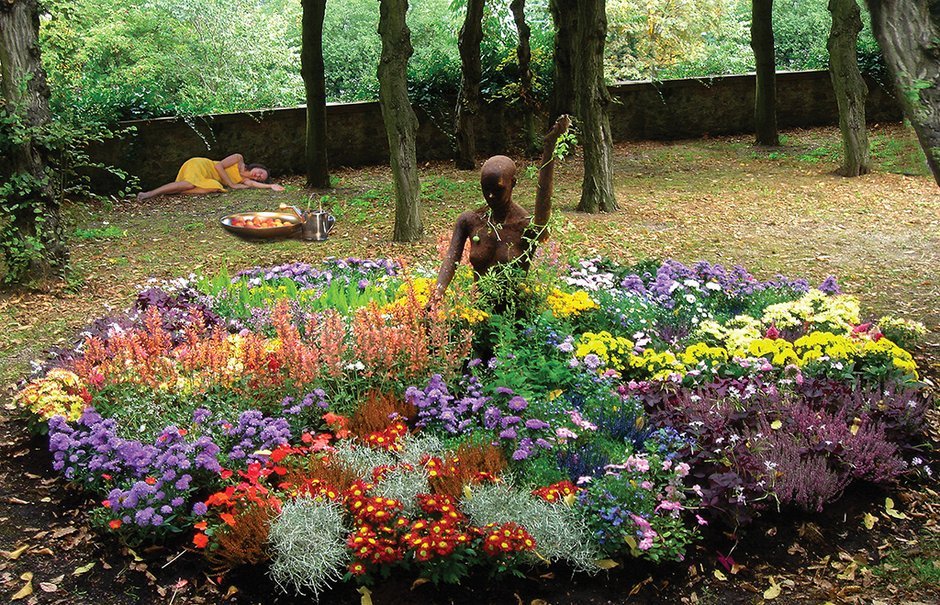
Regina Frank, "Translucent Darkness", 2005, Photograph on linen canvas
"The Birth of Art", written by Georges Bataille, is a fundamental essay in which the philosopher analyses the cave paintings of Lascaux. He sees them as the awakening of human consciousness, linking it to art and the sacred. He suggests that art emerged when human beings moved beyond mere survival, creating an inner world of prohibitions and rituals.
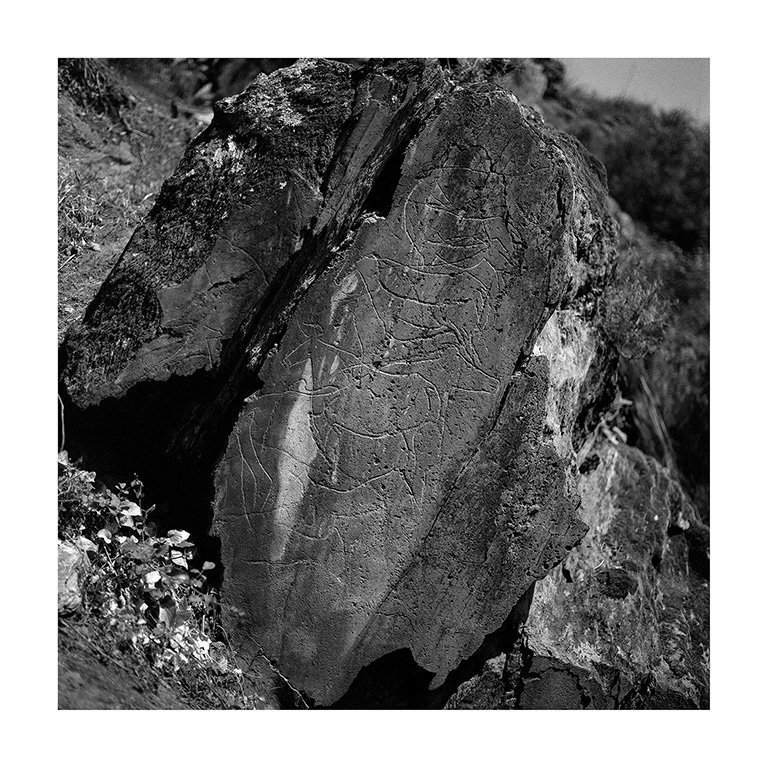
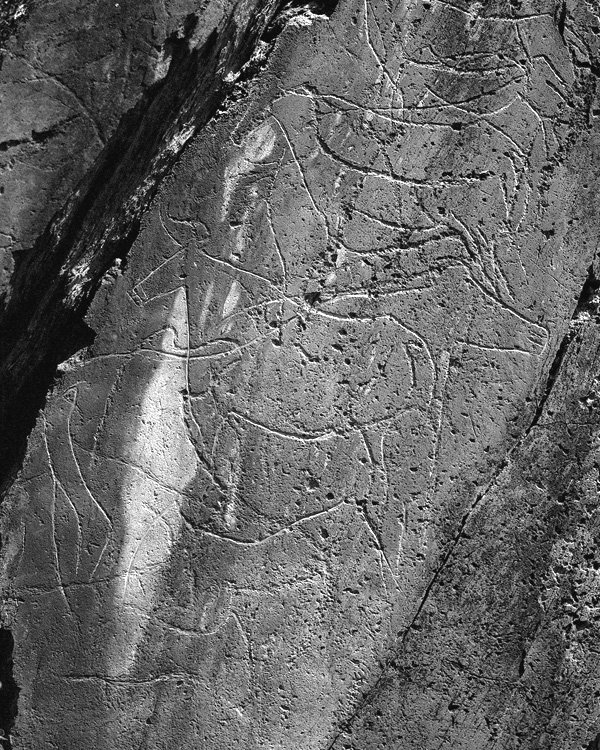
Duarte Belo, Untitled (Foz Côa), Photograph
Cognitive archaeology studies the evolution of the human mind through the material remains left behind by our ancestors. When analysing art, this discipline does not see it merely as an aesthetic phenomenon, but as an essential cognitive tool in the development of Homo sapiens.
The result of artistic expression makes it possible to preserve complex information outside the biological brain, facilitating the transmission of knowledge between generations without relying solely on speech.
Thinking about and symbolising things that are not present at a given moment; attributing meanings and names to figures rendered through lines and pigments are indications of neurological maturity and contributed to the origins of writing itself.
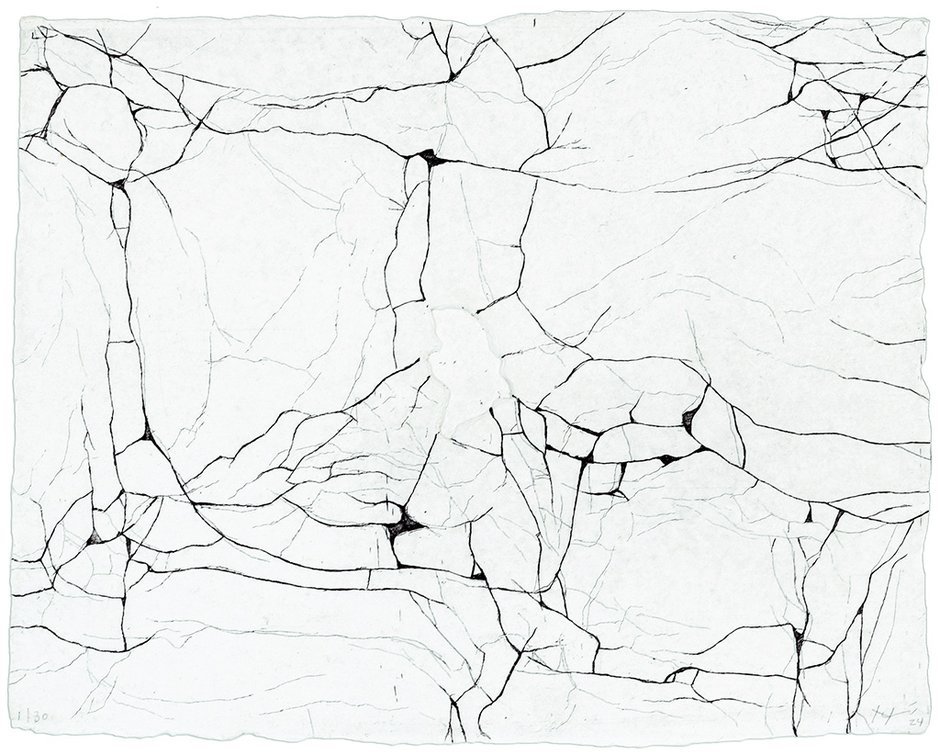
César Barrio, "Archaeology", Etching with embossing on handmade paper
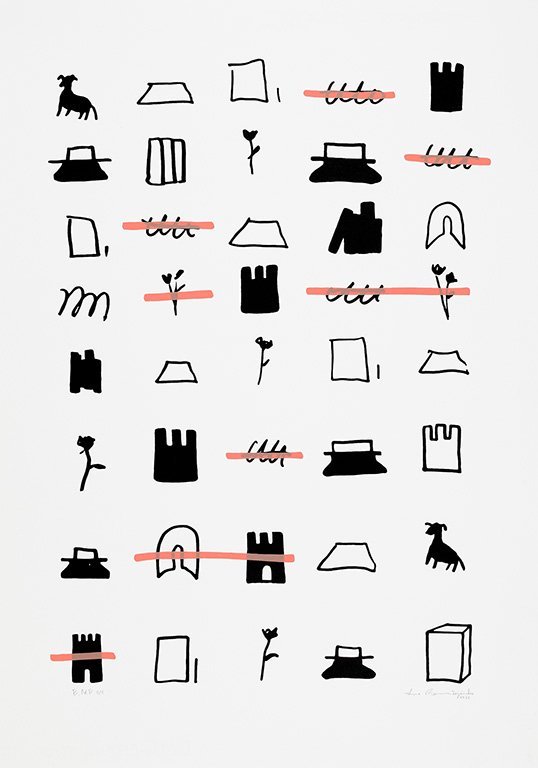
Ana Romãozinho, "Maria Sara" (Saramaguian Women), Screen printing
Sharing myths and stories through art was essential to the creation of group identities, which in turn was essential to the maintenance and development of life as we know it.
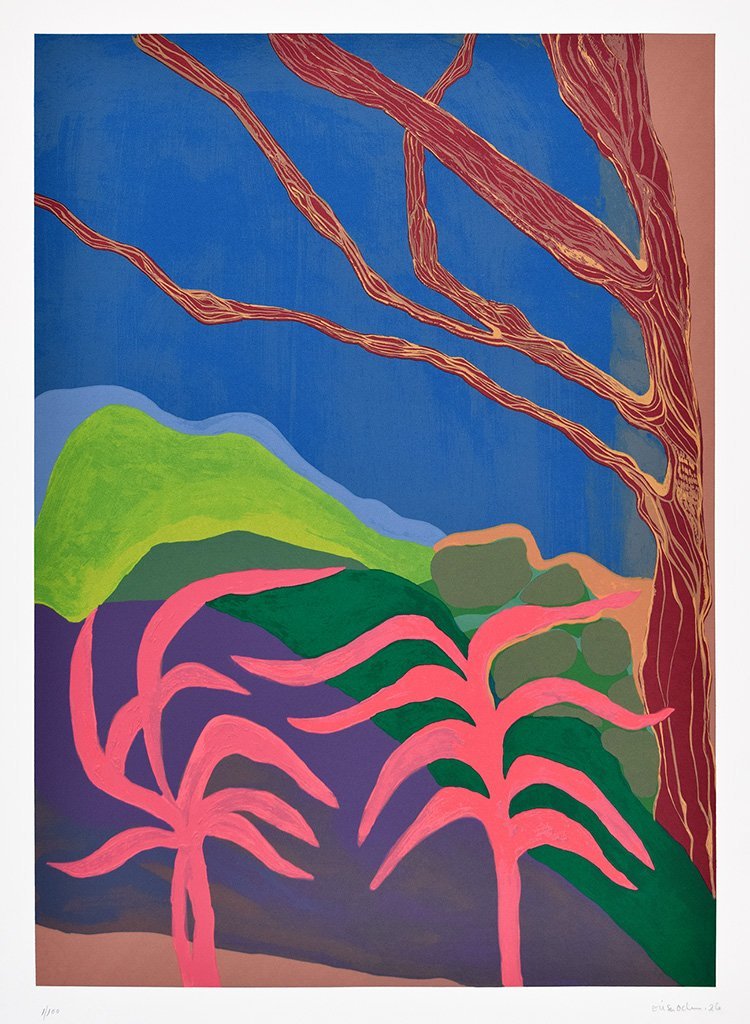
Elisa Ochoa, "Bringing Light #2", Screen printing
If Art has allowed us to tell who we were and imagine what we could become, while also preserving the memory of what we have experienced, would we be the same without it?